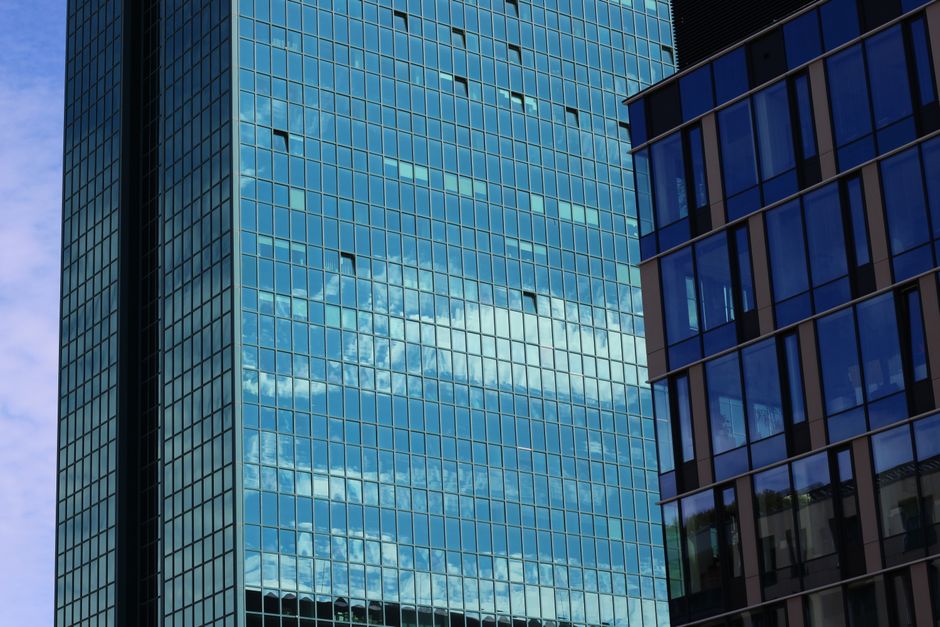
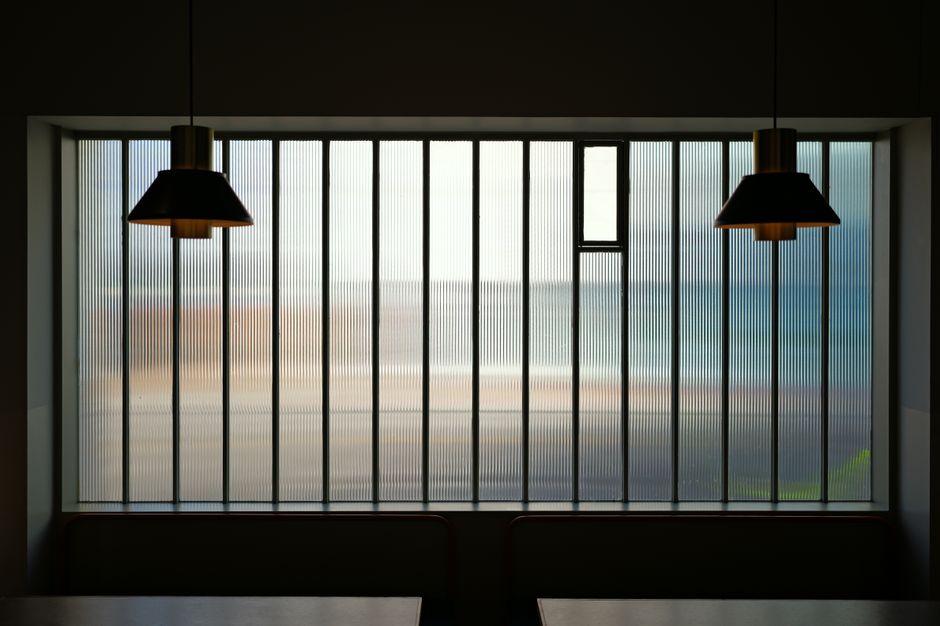
Implementing effective daylighting strategies for office buildings has shifted from a design preference to a measurable performance imperative. Research consistently demonstrates that occupants in daylit workplaces report higher job satisfaction, fewer health complaints, and greater cognitive performance. At the same time, rising energy codes and sustainability mandates are pushing design teams to move beyond compliance and toward genuinely optimized glazing solutions. For architects, building owners, and facility managers, understanding how to harness natural light is now a core competency — not an afterthought.
Greenlite Glass Systems partners with design professionals across North America to engineer glazing assemblies that balance solar heat gain, glare control, visible light transmittance, and structural performance. Whether you are retrofitting an existing office tower or specifying glass for a ground-up development, the principles outlined below provide a rigorous foundation for every daylighting decision.
Before selecting specific glazing products, design teams must evaluate the site, program, and climate variables that govern natural light optimization. Orientation is the single most powerful lever available. South-facing facades in northern climates receive consistent, diffuse winter sun and can be shaded effectively in summer with horizontal overhangs or fritted glass. East and west exposures deliver intense, low-angle light that demands more sophisticated control strategies, including dynamic glazing or vertical fins. North-facing glazing provides the most uniform, glare-free daylight — highly desirable for tasks requiring precise color rendering.
Beyond orientation, the concept of daylight autonomy offers a quantitative framework for evaluating how well a design performs over a full year. Daylight autonomy measures the percentage of occupied hours during which a given interior point receives adequate illumination from natural sources alone. Industry benchmarks suggest targeting 300 lux or more at the workplane for at least 50 percent of occupied hours. Achieving this threshold typically requires careful coordination of window-to-wall ratios, interior reflectance values, and supplemental shading devices.
The window-to-wall ratio (WWR) is a foundational metric in any daylighting analysis. Higher WWRs admit more light but also increase solar heat gain and potential glare. A common design target in commercial office buildings falls between 40 and 60 percent WWR, though the optimal value depends heavily on climate zone, glass specification, and interior layout. Tall, narrow windows placed higher on the wall — sometimes called clerestory positioning — penetrate daylight deeper into the floor plate than wide, low openings of equivalent area. This geometric principle is especially valuable in open-plan offices where workstations may sit 30 to 50 feet from the exterior wall.
Positioning glazing at or above 7.5 feet from the finished floor dramatically extends the effective daylight zone. When combined with high-reflectance ceiling finishes, this approach can push usable natural illumination 25 to 30 feet from the perimeter — nearly doubling the area that benefits from a single glazed facade. Explore the full range of high-performance curtain wall and storefront assemblies available through Greenlite Glass Systems glazing systems to find solutions calibrated for maximum daylight penetration without compromising thermal performance.
Glass skylights address the fundamental limitation of perimeter-only glazing: the building core. In large floorplate offices, interior zones more than 30 feet from the facade may receive almost no meaningful natural light from side windows alone. Skylights and roof monitors introduce daylight vertically, illuminating central corridors, collaboration spaces, atriums, and open workzones that perimeter glazing simply cannot reach.
Modern glass skylights bear little resemblance to the leaky, condensation-prone assemblies of earlier generations. Today's systems incorporate thermally broken aluminum framing, triple-pane insulating glass units, and electrochromic or thermochromic glazing layers that modulate tint automatically in response to solar intensity. The result is a roof opening that admits generous daylight while maintaining envelope performance equivalent to a well-specified vertical curtain wall.
Two skylight typologies deserve special attention in office building design. The atrium skylight creates a central light well that serves as both a visual amenity and a daylight distribution engine. Offices arranged around a glazed atrium benefit from reflected and diffused light entering from above, reducing the stark contrast between perimeter brightness and interior dimness. The sawtooth roof monitor — a classic industrial form — orients north-facing clerestory glazing along a serrated roofline, delivering consistent, glare-free illumination across wide floor plates. Both configurations can be reviewed alongside completed project case studies at Greenlite Glass Systems projects.
Daylight harvesting closes the loop between architectural glazing and building systems by using photosensor-controlled dimming to reduce electric lighting output when natural illumination is sufficient. When designed in concert with the glazing specification — rather than added as an afterthought — daylight harvesting systems can reduce lighting energy consumption by 30 to 60 percent in perimeter zones, with payback periods as short as two to four years depending on utility rates and occupancy patterns.
The critical integration point is the photosensor placement strategy. Sensors positioned to measure workplane illuminance directly provide the most accurate dimming signals, but ceiling-mounted sensors calibrated through a commissioning process are more common in practice. Either approach must account for the spectral and directional characteristics of the glazing assembly above — a low-iron, high-transmittance glass will produce markedly different sensor readings than a reflective or tinted unit, even at identical solar angles.
Electrochromic glazing — glass that changes tint state in response to electrical signals or automated building controls — represents the leading edge of active daylight management. Rather than blocking sunlight with external shades or interior blinds, dynamic glazing modulates the glass itself, maintaining occupant views while controlling glare and solar heat gain. Integrated with daylight harvesting controls, electrochromic units can hold interior illuminance within a target band across a wide range of exterior conditions, virtually eliminating the need for manual intervention by building occupants.
For design teams pursuing LEED v4, WELL Building Standard, or BREEAM certification, dynamic glazing provides a compelling pathway to credits across multiple categories simultaneously: energy efficiency, glare control, views, and circadian lighting support.
The business case for daylighting extends well beyond energy savings. A landmark study published in the Journal of Clinical Sleep Medicine found that office workers with windows received 173 percent more white light exposure during work hours and slept an average of 46 minutes more per night than their windowless counterparts. Separate workplace productivity research has linked access to natural light with reduced absenteeism, lower reported eyestrain, and measurable improvements in cognitive test scores.
These findings have direct relevance for corporate real estate decisions. As tenants increasingly evaluate buildings against WELL and Fitwel scorecards, properties that demonstrate superior daylighting performance command higher lease rates and lower vacancy. For architects advising owner-clients on glazing budgets, the occupant well-being argument often closes the gap between standard and premium glazing specifications more effectively than energy modeling alone.
"Access to natural light is no longer a luxury amenity — it is a documented driver of health, productivity, and long-term asset value in commercial office buildings."
Effective daylighting design requires coordination across multiple disciplines and decision points: site orientation analysis, glazing product selection, shading device integration, interior finish specification, lighting controls commissioning, and ongoing performance verification. No single product or strategy operates in isolation. The most successful projects treat the building envelope and the interior environment as a unified system, with glazing serving as the primary interface between occupants and the natural world outside.
Ready to bring these strategies to life on your next office project? Contact Greenlite Glass Systems today to connect with our architectural glazing specialists. Our team will work alongside your design professionals to develop a custom daylighting solution that meets your performance, aesthetic, and budget requirements — from concept through commissioning.