The way architects and facility managers think about windows is undergoing a fundamental shift. Electrochromic smart glass for commercial buildings is no longer a niche luxury reserved for flagship headquarters or experimental architecture. It is rapidly becoming a core specification tool for design teams pursuing high-performance envelopes, occupant wellness, and aggressive energy targets. By applying a small electrical current to transition glass from clear to deeply tinted states, electrochromic window systems give buildings a living, responsive skin that adapts in real time to the sun, the season, and the needs of the people inside.
For architects and facility managers, this technology represents a convergence of aesthetics, sustainability, and operational intelligence that conventional glazing simply cannot match. Understanding how it works—and what the real-world performance data actually shows—is essential for anyone specifying glass on a commercial project today.
At its core, dynamic glazing technology relies on a multi-layer electrochromic coating applied to the glass surface. When a low-voltage electrical signal is introduced, lithium ions migrate through the coating stack, triggering a reversible electrochemical reaction that changes the glass's optical properties. The result is a smooth, controllable tint that can shift across multiple states—from fully clear to a deep blue-grey—in a matter of minutes.
Critically, this process requires power only during the transition itself. Once a target tint state is reached, the glass holds that position passively, consuming negligible energy. This means that switchable glass in office buildings does not create a parasitic energy load, a concern sometimes raised by skeptics unfamiliar with the underlying electrochemistry.
Modern electrochromic window systems offer granular control, often divided into four or more tint states that can be applied independently to individual panes or grouped into zones. This level of precision is what separates electrochromic glazing from simpler solutions like solar film or static tinted glass, which offer no adaptability whatsoever.
The business case for electrochromic smart glass is increasingly well-supported by measured performance data from completed commercial projects. Studies from the U.S. Department of Energy's Lawrence Berkeley National Laboratory have documented peak cooling load reductions of up to 20 to 26 percent in west- and south-facing office zones when electrochromic glazing replaces conventional low-e glass. These reductions translate directly into smaller HVAC equipment requirements and lower operational energy costs over the building's lifetime.
Smart glass energy savings extend beyond cooling. By dynamically managing solar heat gain, electrochromic systems allow perimeter zones to benefit from passive solar warmth during winter months without the overheating penalties that plague conventional glazing in summer. The result is a more balanced thermal envelope across seasons, which reduces both heating and cooling energy consumption simultaneously.
Daylighting benefits compound these gains. Because electrochromic tinting reduces glare without blocking all visible light transmission, occupants in smartly glazed offices can work closer to the façade without resorting to manually lowered blinds that would eliminate natural light entirely. Research consistently shows that greater access to calibrated daylight reduces electric lighting energy use by 15 to 30 percent in perimeter zones—savings that accumulate year-round. For a deeper look at how daylighting strategies connect to building performance, explore Greenlite's guide to daylighting strategies for office buildings, which outlines how glazing specifications drive outcomes across a range of commercial typologies.
The true power of electrochromic smart glass is unlocked when it is integrated with a building's broader automation and control infrastructure. Modern electrochromic window systems are designed to communicate with building management systems (BMS) through standard protocols including BACnet, DALI, and KNX. This connectivity enables several sophisticated operating modes that go well beyond simple manual tinting.
This level of integration transforms electrochromic glazing from a passive building material into an active participant in building performance optimization—one that responds intelligently to environmental conditions, occupant behavior, and energy management priorities simultaneously.
For project teams pursuing LEED v4 or LEED v4.1 certification, electrochromic smart glass offers a particularly compelling contribution across multiple credit categories. The technology directly supports credits in Energy and Atmosphere (EA), Indoor Environmental Quality (EQ), and Innovation categories, making it one of the few single specifications that can move the needle on multiple certification thresholds at once.
Under the EA Optimize Energy Performance credit, the measurable reductions in cooling loads and lighting energy that electrochromic systems deliver can contribute meaningful points toward the percentage energy improvement required for higher certification levels. Under EQ Daylight and Quality Views credits, the system's ability to maintain glare-free daylighting access for a higher percentage of regularly occupied floor area—while preserving unobstructed sightlines to the exterior—addresses both sub-credits simultaneously.
Owners pursuing WELL Building Standard certification will find additional alignment. Dynamic glazing technology supports WELL's Light concept by enabling access to high-quality natural light without the glare and thermal discomfort that typically force occupants to close blinds and lose the daylighting benefit entirely. As green building standards continue to evolve toward measured occupant outcomes rather than prescriptive material lists, electrochromic glazing's dual contribution to energy performance and human experience positions it as a strategic investment.
Corporate campuses, Class A office towers, healthcare facilities, and higher education buildings have led adoption of electrochromic smart glass in North America. These building types share common characteristics: large glazed façades, high occupant density, competitive pressure on energy operating costs, and increasing scrutiny from tenants, boards, and regulators on sustainability credentials.
Forward-thinking commercial real estate owners are discovering that switchable glass in office buildings also functions as a tenant attraction and retention tool. In a market where tenants increasingly weigh ESG performance and occupant experience when selecting space, a building envelope that visibly demonstrates technological sophistication and commitment to comfort is a differentiating asset. Several institutional landlords have begun marketing electrochromic-equipped floors as premium offerings that command higher rental rates, treating the glazing upgrade as a value-add comparable to premium HVAC or raised-floor infrastructure.
For architects specifying these systems, understanding the full range of available electrochromic solutions—including how they integrate with curtain wall assemblies, insulating glass unit construction, and framing systems—is essential for successful project outcomes. Greenlite Glass Systems' electrochromic glass solutions are engineered to integrate seamlessly within high-performance curtain wall and window wall assemblies, supporting the demanding performance and aesthetic requirements of contemporary commercial architecture.
Specifying electrochromic smart glass successfully requires attention to several technical and project management factors. Solar orientation analysis should drive the zone-by-zone specification strategy, with the most dynamic tinting capabilities prioritized for south, west, and east exposures in most North American climates. North-facing glazing may not require electrochromic capability at all, allowing budget to be concentrated where thermal and glare management delivers the greatest return.
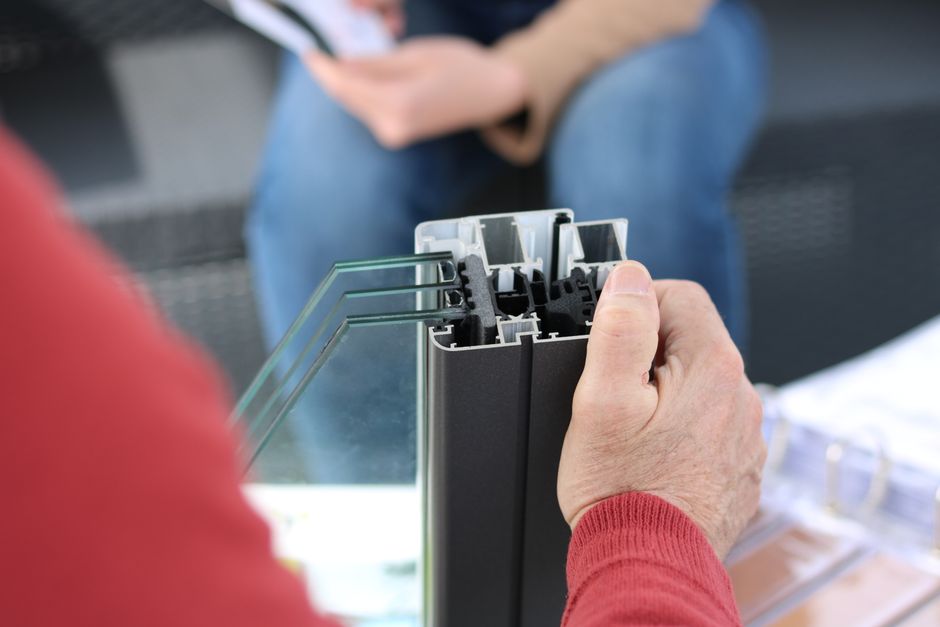
Insulating glass unit construction for electrochromic systems typically incorporates the electrochromic lite as the outboard or inboard layer of a double- or triple-glazed assembly, depending on climate zone requirements. Coordination with the curtain wall engineer early in design development ensures that the added weight, electrical rough-in requirements, and control wiring pathways are accommodated without costly redesign during construction documents.
Commissioning is also critical. A properly commissioned electrochromic system—with sensors calibrated, control sequences validated, and BMS integration tested—will dramatically outperform an identical system that was installed but never properly tuned. Specifying commissioning as a required deliverable, and engaging the glazing contractor and controls integrator collaboratively, protects the energy and comfort performance the owner is investing in. To see how these systems perform across a range of completed architectural projects, browse Greenlite Glass Systems' project portfolio for real-world applications across commercial, institutional, and civic building typologies.
Electrochromic smart glass represents one of the most significant advances in commercial glazing in a generation, offering architects and building professionals a proven, data-backed tool for achieving dynamic solar control, occupant comfort, and energy performance goals within a single elegant specification. Whether you are designing a new Class A office tower, retrofitting an existing commercial façade, or navigating the specific performance thresholds of a LEED or WELL certification target, the right electrochromic glazing system can transform your building's performance profile from the envelope outward. Contact Greenlite Glass Systems today to speak with our technical team about how electrochromic smart glass can be integrated into your next commercial project—and to request specification support, performance data, and project-specific consultation tailored to your design goals.