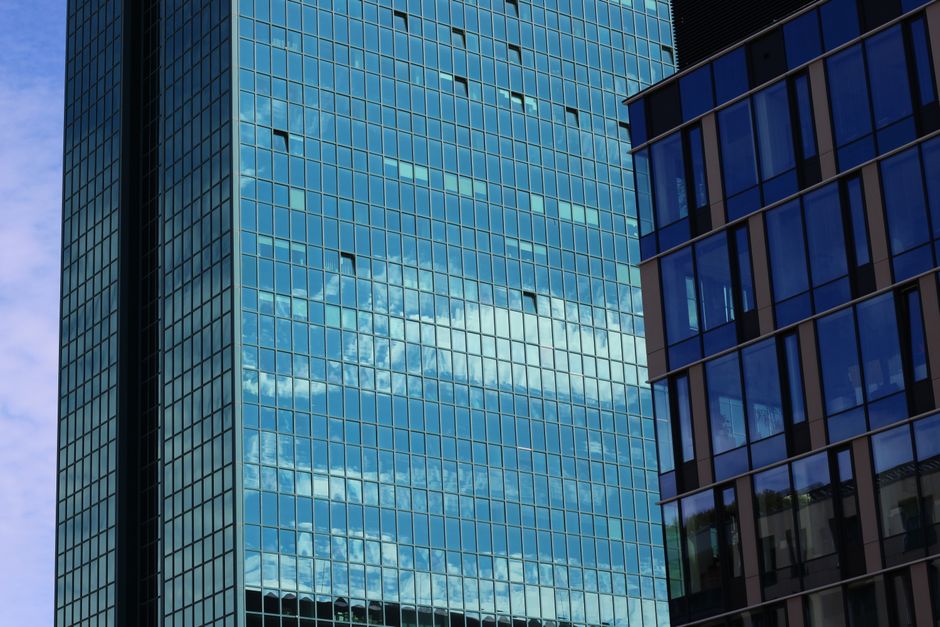
The commercial building envelope has always been a compromise. Architects want expansive, light-filled facades. Facility managers want energy efficiency. Occupants want glare-free comfort. For decades, those goals pulled in opposite directions — until smart glass technology for commercial buildings began closing that gap in meaningful, measurable ways.
Today, electrochromic glass, PDLC (polymer dispersed liquid crystal) systems, and other dynamic glazing systems are moving from premium curiosity to mainstream specification. Driven by tightening energy codes, ESG commitments, and a post-pandemic emphasis on occupant wellness, architects and facility managers across North America are evaluating intelligent building glass not as a luxury add-on, but as a foundational envelope strategy.
At Greenlite Glass Systems, we work with design and construction teams at every stage of the glazing specification process. This guide breaks down how the leading smart glass technologies work, what the real-world energy and comfort data actually shows, how these systems integrate with modern building automation, and the critical questions you should be asking before you specify dynamic glazing on your next project.
Not all smart glass is created equal. The two technologies dominating commercial facade applications today operate on fundamentally different principles — and choosing the right one depends heavily on your project's priorities.
Electrochromic glass uses a thin multilayer coating applied to the glass surface. When a low-voltage electrical current is applied, lithium ions migrate through the coating, causing the glass to tint from a clear state to deep blue-gray. The transition is gradual, smooth, and tunable — meaning the glass can hold any tint level between fully clear and fully darkened, not just toggle between two states.
The core electrochromic glass benefits for commercial facades include:
PDLC (polymer dispersed liquid crystal) glass works differently. In its unpowered state, the liquid crystals are randomly oriented, scattering light and creating an opaque, milky appearance. When voltage is applied, the crystals align, and the glass becomes transparent almost instantly.
PDLC's near-instantaneous switching and strong privacy functionality make it ideal for interior applications — conference rooms, executive suites, healthcare spaces — but it is also used in switchable glass facades where privacy or branding effects are desired. It is important to note that PDLC does not provide the same degree of solar heat gain control as electrochromic glass, making it a less common choice for primary curtain wall or storefront applications where thermal performance is the primary driver.
The business case for dynamic glazing systems has strengthened considerably as more large-scale commercial projects accumulate performance data. Several independent studies and post-occupancy evaluations point to consistent findings.
Research published by Lawrence Berkeley National Laboratory found that electrochromic glazing in a typical commercial office building in a mixed climate could reduce annual cooling energy consumption by 19 to 26 percent compared to a standard low-e curtain wall. Peak demand reductions of up to 20 percent were also documented, which has direct implications for utility demand charge savings — often the largest line item on a commercial building's electricity bill.
In highly glazed buildings where the window-to-wall ratio exceeds 60 percent, the savings potential is even more pronounced. A 2022 retrofit case study on a Class A office tower in Chicago documented a 31 percent reduction in HVAC runtime on south and west exposures after electrochromic glazing was installed as part of a facade renovation — with a projected simple payback of approximately 8 years when combined with utility incentives.
"Dynamic glazing is not just an energy play anymore. The productivity and wellness data is becoming just as compelling for corporate tenants evaluating lease decisions."
Occupant comfort metrics reinforce the energy story. Studies consistently show reduced thermal discomfort complaints and lower incidence of glare-related discomfort in spaces served by electrochromic glazing compared to static low-e glass with interior blinds. The ability to maintain view access — something blinds and shades inherently eliminate — is increasingly cited as a differentiator in tenant satisfaction surveys.
Explore how Greenlite Glass Systems has delivered these outcomes across a range of project types at our project portfolio.
One of the most significant advances in intelligent building glass is the maturation of control system integration. Early-generation smart glass installations often operated as standalone systems with proprietary controllers — useful, but disconnected from the building's broader intelligence layer.
Modern electrochromic glazing platforms are designed for seamless integration with BACnet, DALI, KNX, and other standard building automation protocols. This means the glazing system can be woven directly into the building management system (BMS) and respond dynamically to:
This level of integration transforms the facade from a passive barrier into an active participant in the building's energy and comfort management strategy. When the glazing system, lighting controls, and HVAC are operating from a shared data layer, the compounding efficiency gains significantly exceed what any individual system can achieve in isolation.
Dynamic glazing systems represent a meaningful investment, and the specification decision deserves rigorous evaluation. Architects and facility managers should work through the following considerations early in the design process.
Smart glass delivers the strongest ROI on south, east, and west exposures in climates with significant cooling loads. North-facing facades in northern latitudes may not justify the premium. A detailed energy model that tests static vs. dynamic glazing scenarios for your specific climate zone and building geometry is an essential first step.
The higher the glazing ratio, the greater the potential impact — and the stronger the financial case. Projects with window-to-wall ratios above 50 percent are typically the best candidates for electrochromic specification on primary facades.
Smart glass units must be incorporated into a compatible curtain wall, storefront, or window system. Not all framing systems are designed to accommodate the wiring infrastructure required for powered glazing, so early coordination between the glazing manufacturer, curtain wall fabricator, and electrical engineer is critical. Review Greenlite's full range of compatible glazing systems to understand how smart glass integrates with our curtain wall and storefront platforms.
Ask manufacturers for independent data on cycle life and long-term tint uniformity. Leading electrochromic products are rated for hundreds of thousands of switching cycles with minimal performance degradation. Warranty terms — particularly around coating performance and power supply components — vary significantly between manufacturers and should be scrutinized carefully.
Many utilities across North America offer demand response or energy efficiency incentives for dynamic glazing installations. Some jurisdictions are beginning to recognize smart glass in prescriptive compliance pathways under ASHRAE 90.1 and local energy codes. Your glazing consultant and energy modeler should assess available incentives early, as they can meaningfully improve project economics.
The convergence of smart glass technology, building automation, and occupant wellness priorities is creating a genuine inflection point in commercial facade design. The question for most projects is no longer whether dynamic glazing belongs in the conversation — it is how to specify it intelligently for maximum performance and value.
Greenlite Glass Systems brings deep expertise in electrochromic and dynamic glazing specification, facade engineering, and building systems integration. Whether you are designing a new high-performance curtain wall or evaluating a facade retrofit, our team is ready to help you model, specify, and deliver glazing systems that perform. Contact Greenlite Glass Systems today to connect with a glazing consultant and start building the business case for smart glass on your next project.