In modern commercial construction, architectural glass curtain wall design is no longer an afterthought — it is a foundational decision that shapes a building's performance, aesthetics, and long-term operational costs. From the earliest schematic phases, architects who engage seriously with curtain wall systems set their projects up for fewer surprises, smoother coordination, and superior outcomes. Whether you are designing a mid-rise office tower, a healthcare campus, or a mixed-use development, understanding the critical variables in glazing specification is essential to delivering a successful envelope.
This guide walks through the most important design considerations that building professionals should evaluate when specifying glass curtain wall systems for commercial applications.
One of the first and most consequential decisions in curtain wall specification is choosing between a stick-built and a unitized glazing system. Each carries distinct advantages depending on your project's scale, schedule, and site logistics.
Stick-built curtain wall systems are assembled piece by piece on site, with individual mullions, transoms, and glass panels installed sequentially. This approach offers flexibility for complex geometries and is often more cost-effective on smaller projects or facades with intricate custom detailing.
Unitized glazing, by contrast, involves factory-assembled panels — typically spanning one floor in height — that are transported to the site and installed directly onto the building structure. The benefits are significant: tighter quality control in a factory environment, faster on-site installation, reduced labor exposure at height, and better performance consistency across the facade. For large-scale commercial projects with repetitive bays, unitized systems generally deliver superior long-term value.
Architects should weigh project-specific factors including building height, installation access, schedule pressure, and budget when making this determination. Consulting with an experienced glazing manufacturer early in design development can clarify which system best serves your project goals. Explore Greenlite Glass Systems' full range of curtain wall solutions to understand the options available.
Glass curtain walls represent a substantial portion of a commercial building's thermal envelope, and their performance directly impacts energy consumption, occupant comfort, and code compliance. Architects specifying curtain wall systems must carefully evaluate several thermal performance parameters.
The U-factor measures the rate of non-solar heat transfer through the assembly — the lower, the better for thermal resistance. The Solar Heat Gain Coefficient (SHGC) indicates how much solar radiation is transmitted through the glass. In warmer climates, a lower SHGC reduces cooling loads; in colder climates, a higher SHGC may be desirable to capture passive solar heat. Most commercial projects must satisfy requirements under ASHRAE 90.1 or local energy codes, and the glazing specification must be validated through whole-assembly thermal modeling, not just the center-of-glass performance.
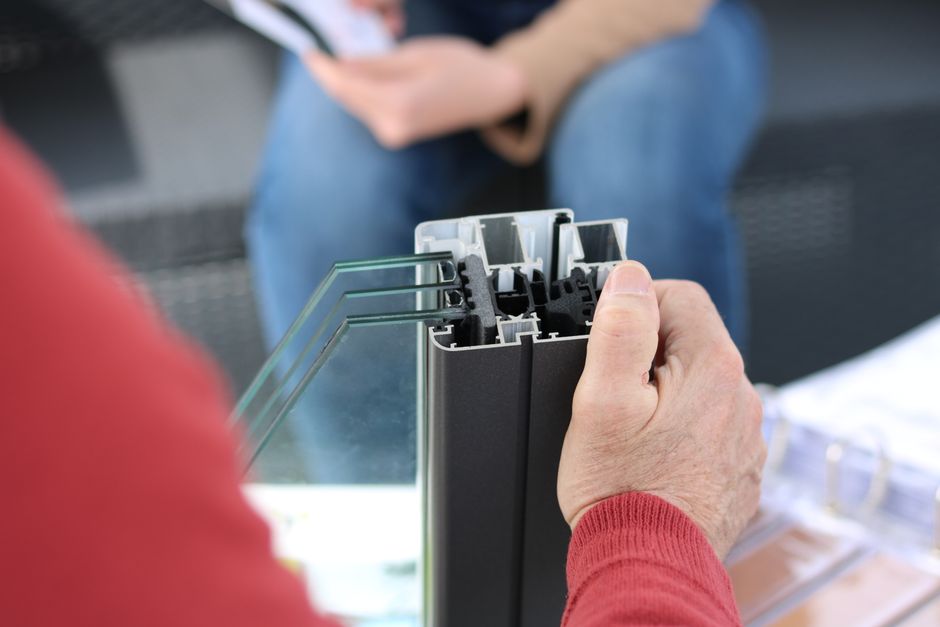
Aluminum framing systems are thermally conductive, and without proper thermal breaks, mullions become significant pathways for heat loss and condensation risk. Specifying systems with engineered thermal break technology is critical in any climate with meaningful heating or cooling demands. Look for independently tested system performance data, not just component-level claims.
Commercial structural glass walls must withstand significant wind pressures, seismic forces in applicable regions, and the long-term stresses of building movement. The structural design of a curtain wall system involves close collaboration between the architect, structural engineer of record, and the glazing manufacturer's engineering team.
Key structural considerations include:
Manufacturers with robust in-house engineering capabilities — including finite element analysis and physical load testing — can provide the documentation and design support that project teams need to move through permitting confidently.
A curtain wall system's ability to keep water out and control air infiltration is fundamental to building performance and occupant health. Modern high-performance curtain wall systems employ a pressure-equalized rainscreen design philosophy, which manages water by equalizing air pressure between the exterior and interior of the glazing cavity, dramatically reducing the driving force that pushes water inward.
Architects should verify that any system under consideration has been tested to recognized standards such as ASTM E331 for water penetration and ASTM E283 for air infiltration. Laboratory testing data and field performance history from comparable projects should be requested from manufacturers. View completed Greenlite Glass curtain wall projects to see how these principles translate into real-world performance.
For commercial buildings in dense urban settings, curtain wall acoustic performance is increasingly a design priority. Glass facades can transmit significant exterior noise — traffic, mechanical equipment, aircraft — into occupied spaces, affecting tenant satisfaction and productivity.
Acoustic performance of glazing assemblies is measured by the Sound Transmission Class (STC) or the Outdoor-Indoor Transmission Class (OITC) rating. Laminated glass configurations, increased glass thickness, asymmetric glass lites, and air spaces within insulating glass units can all be leveraged to improve acoustic performance. Architectural glass curtain wall design for acoustically sensitive projects benefits from early acoustic consultant involvement and manufacturer collaboration to optimize glass makeup within the curtain wall frame.
Glass curtain walls are uniquely positioned to support sustainability goals and occupant wellbeing strategies. Thoughtful glazing design can maximize useful daylight penetration while controlling glare, reduce artificial lighting energy loads, and contribute to LEED, WELL, or other green building certification targets.
Considerations in this category include:
"The best curtain wall designs are those where performance, constructability, and architecture are resolved together — not sequentially. Engage your glazing manufacturer as a design partner, not just a supplier."
Navigating the full complexity of architectural glass curtain wall design requires both deep technical knowledge and a manufacturer committed to supporting your vision from concept through installation. At Greenlite Glass Systems, our team of glazing engineers and project specialists works alongside architects and building professionals across North America to deliver curtain wall systems that perform, endure, and inspire. Contact Greenlite Glass Systems today to discuss your project requirements and discover how our expertise can elevate your next commercial glazing design.