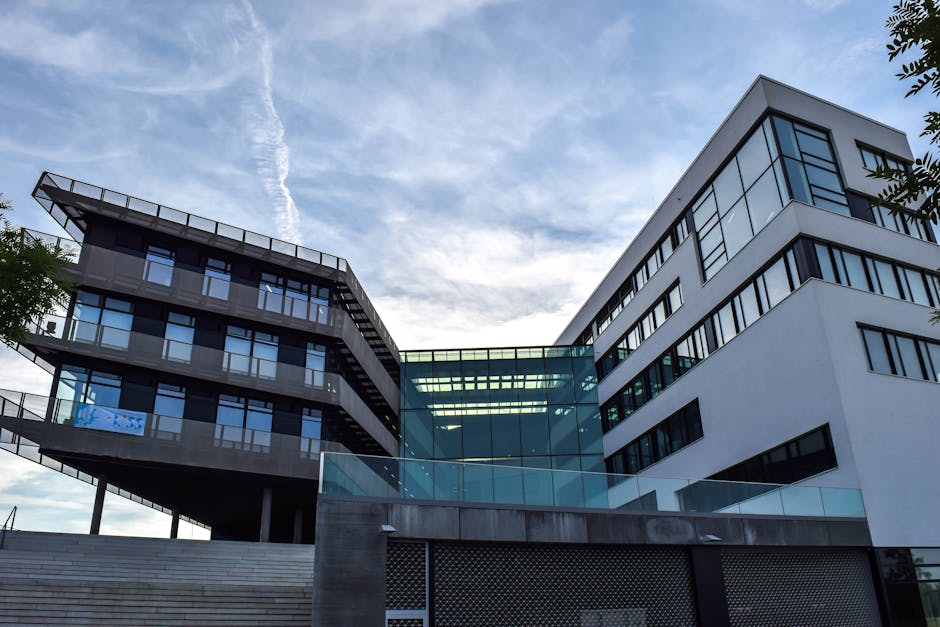
The way commercial buildings interact with sunlight is undergoing a fundamental shift. Electrochromic smart glass for commercial buildings has moved from a niche curiosity to a mainstream facade strategy, enabling architects and facility managers to deliver energy performance, occupant comfort, and design elegance in a single glazing system. Unlike static tinted glass or manually operated blinds, electrochromic technology responds dynamically to changing light conditions—automatically adjusting tint levels to manage solar heat gain, reduce glare, and preserve unobstructed views to the outside. For building professionals evaluating the next generation of envelope performance, understanding how this technology works—and how it compares to competing dynamic glazing options—is essential.
Electrochromic glass achieves its variable tinting through a thin multilayer coating applied to the glass surface. When a low-voltage electrical current is applied, lithium ions migrate between layers within the coating, triggering a reversible chemical reaction that darkens the glass. Reversing the current returns the glass to its clear state. The transition is smooth, silent, and fully controllable—either through manual override, building automation system (BAS) integration, or sensors that respond automatically to sunlight intensity and angle.
Modern smart window systems based on electrochromic technology typically offer between three and five discrete tint states, ranging from a visible light transmittance (VLT) of roughly 60% in the clearest state down to as low as 1–3% in the fully tinted state. This dynamic range gives building operators fine-grained control over daylight, solar heat gain coefficient (SHGC), and glare—performance variables that static glazing simply cannot address once it leaves the factory.
One of the most compelling aspects of electrochromic glass is its ability to tint in zones. Large curtain wall panels can be divided into independently controlled segments, allowing the lower portion of a window to remain clear for view while the upper portion darkens to block direct sun. This level of precision directly supports occupant satisfaction and productivity, two metrics that increasingly appear in building performance briefs alongside energy targets.
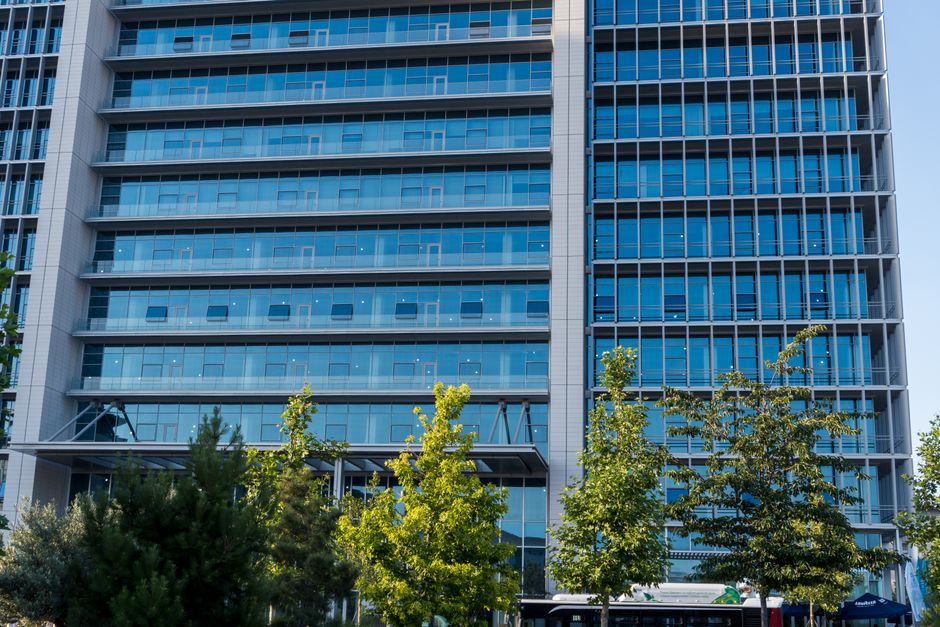
The energy case for dynamic glazing technology is well-documented and compelling. Solar heat gain through glass facades accounts for a significant share of cooling loads in commercial buildings—in sun-belt climates, glazing can be responsible for 25–40% of total HVAC energy consumption. Electrochromic glass energy savings are achieved by actively reducing SHGC during peak solar hours, cutting the amount of heat that reaches the interior and therefore reducing the work required of mechanical cooling systems.
Independent studies and real-world deployments consistently report HVAC energy reductions of 20–30% in heavily glazed commercial buildings where electrochromic systems replace conventional low-e glass. In some high-performance office towers, the cumulative savings over a 20-year building lifecycle can offset a substantial portion of the premium installation cost. Equally important, perimeter zones that previously required supplemental cooling or heating can be brought within standard comfort ranges without additional mechanical investment.
Beyond HVAC, electrochromic systems reduce the need for interior roller shades and blinds—accessories that add capital cost, require maintenance, block daylight even when solar conditions improve, and undermine the architectural intent of transparent facades. Eliminating or minimizing blinds also reduces interior lighting energy consumption, because occupants are no longer forced to compensate for blocked daylight with artificial sources.
For a deeper look at how glazing selection affects both energy performance and green building certification pathways, Greenlite's guide to energy-efficient glass facades and HVAC costs provides a thorough framework for understanding the interplay between glass specification and operational efficiency.
Electrochromic glass is one of several dynamic glazing technology options available to design teams today. Understanding where it excels—and where alternatives may be more appropriate—helps architects and facility managers make informed specification decisions.
Thermochromic glass darkens passively in response to heat rather than an electrical signal. While this eliminates the need for wiring and controls, it also eliminates controllability. The glass tints when it is hot and clears when it cools—a response that may not align with occupant needs or time-of-day energy pricing. Electrochromic systems, by contrast, can be programmed to respond to schedules, occupancy sensors, grid demand signals, or manual preference.
SPD glass uses suspended particles that align when voltage is applied, allowing light to pass, and randomize when voltage is removed, blocking light. Unlike electrochromic glass, SPD glass is clear in its energized state and dark in its de-energized state—meaning it draws power continuously to remain transparent. This inverted energy profile can be a disadvantage in buildings where the predominant operating mode is clear glazing. Electrochromic systems draw power only during tint-state transitions, making them significantly more energy-efficient over the full operating cycle.
Liquid crystal or PDLC technology—commonly used in switchable privacy glass applications—transitions between translucent and transparent states rather than providing variable solar control. It is well-suited to interior partitions and conference room glazing where privacy on demand is the design goal, but it does not offer the solar heat gain management or glare control performance needed for exterior curtain wall and facade applications.
Exterior shading systems—louvers, fins, and automated blinds—can deliver excellent solar control but introduce significant mechanical complexity, maintenance requirements, and wind load considerations, particularly on high-rise facades. Electrochromic smart glass eliminates moving parts entirely, reducing long-term maintenance liability and simplifying the building envelope detail.
Specifying adaptive glass facades based on electrochromic technology requires attention to several integration factors that differ from conventional glazing projects.
Electrochromic systems connect to the building automation system via standard protocols including BACnet, Modbus, and DALI. Most manufacturers offer proprietary controllers with pre-programmed tinting algorithms, but the highest-performing installations integrate electrochromic controls with weather data feeds, occupancy sensors, and lighting control systems to optimize the glass state in real time. Specifying the controls architecture early in design development—ideally in coordination with the mechanical and electrical engineers—avoids costly retrofit wiring later.
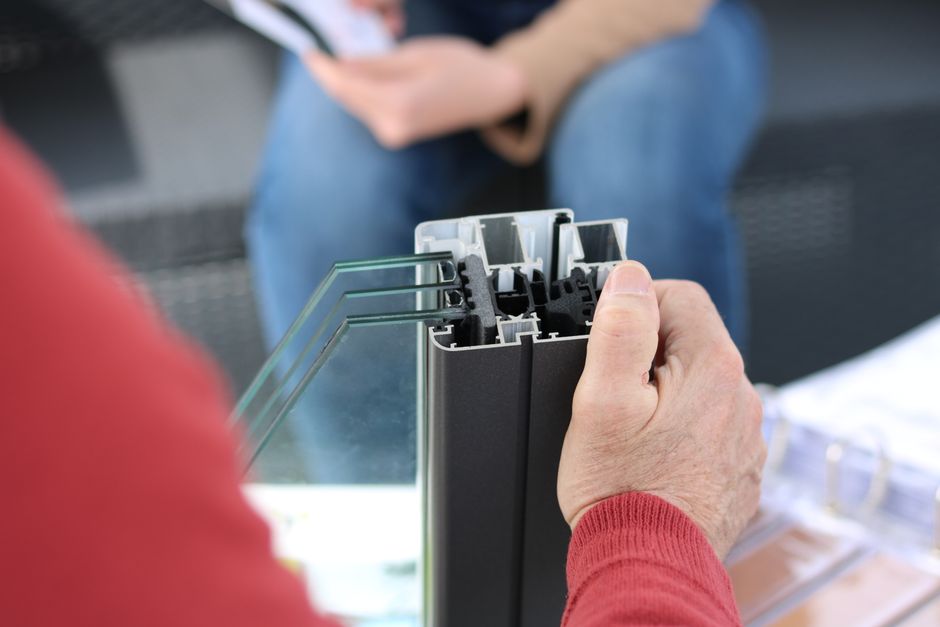
Electrochromic coatings can be incorporated into insulating glass units (IGUs) alongside low-e coatings and argon fill, allowing design teams to stack performance attributes. For facades in extreme climates, combining electrochromic control with high-performing thermal spacers and triple glazing configurations can push total envelope performance well beyond code minimum requirements. Working with a glazing specialist during schematic design ensures the IGU configuration is optimized for the project's specific orientation, climate zone, and energy model.
While electrochromic glass is most cost-effectively specified in new construction, retrofit applications are increasingly viable as the technology matures. Existing curtain wall systems that accept standard IGU thicknesses can often be reglazed with electrochromic units without requiring full frame replacement. For facility managers evaluating a retrofit, a facade condition assessment combined with an energy model comparing electrochromic performance against the existing glazing baseline will clarify the financial case. Greenlite's curtain wall design considerations resource is a useful reference for teams working through the structural and thermal implications of a glazing upgrade.
Electrochromic smart glass supports multiple credit pathways across major green building rating systems. Under LEED v4 and v4.1, dynamic glazing contributes to Energy and Atmosphere credits through demonstrated HVAC energy reduction, and to Indoor Environmental Quality credits through glare control and daylight quality metrics. The WELL Building Standard similarly rewards dynamic glazing through its Light concept, recognizing the connection between controllable daylight, circadian health, and occupant wellbeing. For project teams pursuing dual LEED and WELL certification—an increasingly common goal in corporate office and healthcare construction—electrochromic glass delivers measurable credit contributions across both frameworks.
Electrochromic smart glass represents one of the most versatile and high-performing tools available to commercial building design teams today. Its ability to deliver verified energy savings, occupant comfort, glare management, and architectural transparency—without mechanical complexity or view obstruction—makes it a compelling specification for office towers, healthcare facilities, education buildings, and hospitality projects alike. The technology has matured significantly over the past decade, with multiple manufacturer options, proven long-term durability data, and established integration pathways that make specification and commissioning straightforward for experienced glazing teams.
At Greenlite Glass Systems, our glazing specialists work alongside architects, developers, and facility managers from early design through project completion to ensure that electrochromic glass systems are specified, detailed, and installed to deliver their full performance potential. Whether you are designing a new high-performance facade or evaluating a smart glass retrofit for an existing building, our team brings the technical depth and project experience to guide your decision with confidence. Contact Greenlite Glass Systems today to discuss your project requirements and discover how dynamic glazing technology can elevate both the performance and the experience of your next commercial building.