For architects, developers, and building owners, the envelope is no longer just an aesthetic statement — it is a performance system. Energy efficient glass facades have emerged as one of the most impactful investments a project team can make, directly influencing HVAC load calculations, occupant comfort, and long-term operational expenditure. As energy codes tighten and green building certifications become standard expectations rather than differentiators, the glazing decisions made at schematic design have consequences that echo across a building's entire lifecycle.
The numbers are compelling. According to the U.S. Department of Energy, commercial buildings account for nearly 18 percent of total energy consumption in the United States, with heating, ventilation, and air conditioning systems representing the largest single share of that demand. A significant portion of that load is driven directly by thermal transfer through the building envelope. Upgrading to high performance glazing is one of the most reliable levers a design team can pull to move that number in the right direction.
The physics behind energy efficient glass facades are well established, but the technology has advanced dramatically over the past decade. Today's systems combine multiple performance mechanisms to address solar heat gain, conductive heat transfer, and air infiltration simultaneously.
Low-e glass curtain walls use microscopically thin metallic oxide coatings applied to one or more surfaces of the glass unit. These coatings selectively reflect long-wave infrared radiation — the heat your building generates or absorbs — while allowing visible light to pass through at high transmission rates. The result is a façade that admits natural daylight without turning interior spaces into greenhouses. In warm climates, this directly reduces the cooling load on mechanical systems. In colder climates, interior-facing low-e coatings help retain radiant heat, reducing heating demand during winter months.
The Solar Heat Gain Coefficient (SHGC) and U-factor are the two metrics that matter most when specifying these systems. A well-specified low-e unit can achieve U-factors as low as 0.20 and SHGC values tailored precisely to the building's orientation and climate zone, giving engineers far greater control over mechanical system sizing from the earliest stages of design.
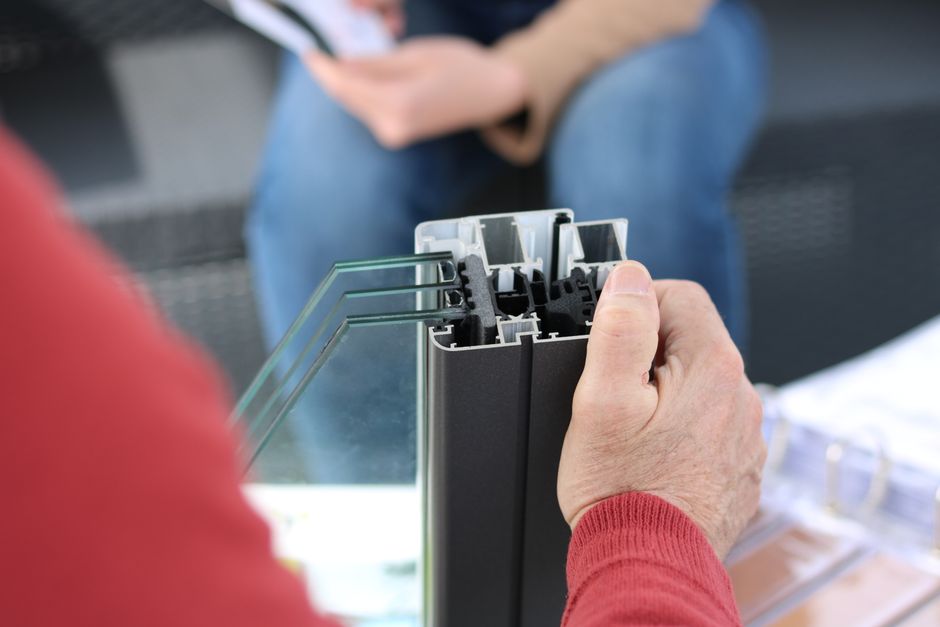
Thermal insulation glass — typically in the form of double or triple insulated glass units (IGUs) — traps inert gas such as argon or krypton between panes, dramatically reducing conductive heat transfer. When paired with warm-edge spacer technology and thermally broken framing systems, these assemblies eliminate the cold bridging that undermines the performance of older curtain wall systems. The cumulative effect is a façade that behaves less like a membrane and more like a calibrated thermal filter, responding intelligently to external conditions rather than simply transmitting them into the occupied space.
Explore the full range of Greenlite Glass Systems' glazing and curtain wall systems to understand how these technologies are integrated into complete facade assemblies engineered for North American climate conditions.
Sustainability certification programs have become central to institutional, commercial, and mixed-use development across North America. LEED v4.1, ASHRAE 90.1, the International Energy Conservation Code (IECC), and the Living Building Challenge each impose specific requirements on envelope performance that directly shape glazing specifications.
LEED credits related to energy optimization — particularly EA Credit: Optimize Energy Performance — reward projects that demonstrate measurable reductions in energy use intensity (EUI) relative to a baseline building. High performance glazing contributes meaningfully to this calculation by reducing the peak cooling and heating loads that drive mechanical system sizing. A smaller, right-sized HVAC system not only consumes less energy in operation but typically carries lower capital cost, creating a virtuous cycle that benefits both the sustainability scorecard and the project pro forma.
ASHRAE 90.1 prescriptive compliance tables set maximum U-factor and SHGC values by climate zone and orientation. In many cases, projects pursuing energy modeling optimization — rather than prescriptive compliance — can demonstrate even greater performance with well-specified energy efficient glass facades, earning additional LEED points while delivering a more comfortable interior environment.
Performance-based facade design goes beyond thermal metrics. LEED credits for daylight and quality views, as well as WELL Building Standard requirements for circadian lighting, encourage design teams to maximize visible light transmittance (VLT) while controlling glare. Modern low-e glass curtain walls are engineered to strike this balance precisely — admitting diffuse daylight that reduces reliance on artificial lighting (and its associated cooling load from heat-generating fixtures) while using fritting, dynamic glazing, or shading integration to manage direct solar exposure.
"The most effective building envelopes we design treat glazing not as a boundary between inside and outside, but as a dynamic interface that modulates light, heat, and energy in real time."
View how these principles have been applied across completed developments in the Greenlite Glass Systems project portfolio, spanning commercial towers, institutional campuses, and mixed-use developments across Canada and the United States.
Lifecycle cost analysis consistently validates the investment in high performance glazing. While premium glass assemblies carry higher upfront material costs than standard clear glazing, the downstream savings are substantial and compounding.
The financial modeling for any specific project will vary based on climate, occupancy, utility rates, and glazing specification. However, the directional conclusion is consistent across building types and geographies: thermal insulation glass and advanced low-e systems pay back their premium and continue generating savings throughout the building's operating life.
Selecting the right glazing system requires a careful alignment of performance targets, aesthetic intent, and constructability. Key decisions include the number of glass plies, gas fill selection, coating position, framing system thermal performance, and the integration of dynamic or electrochromic glazing for adaptive solar control. Climate-specific modeling using validated energy simulation tools — EnergyPlus, eQUEST, or IES-VE — is strongly recommended to validate specification choices against project-specific performance targets before documentation is finalized.
Greenlite Glass Systems brings decades of expertise in engineering and manufacturing energy efficient glass facades for North America's most demanding architectural projects. From preliminary facade consulting and energy modeling support to custom fabrication and installation coordination, our team is structured to support design professionals at every stage of the project lifecycle. Contact Greenlite Glass Systems today to discuss your project's performance goals and discover how our high performance glazing solutions can help you meet code requirements, achieve green building certification, and deliver measurable HVAC savings for your clients.