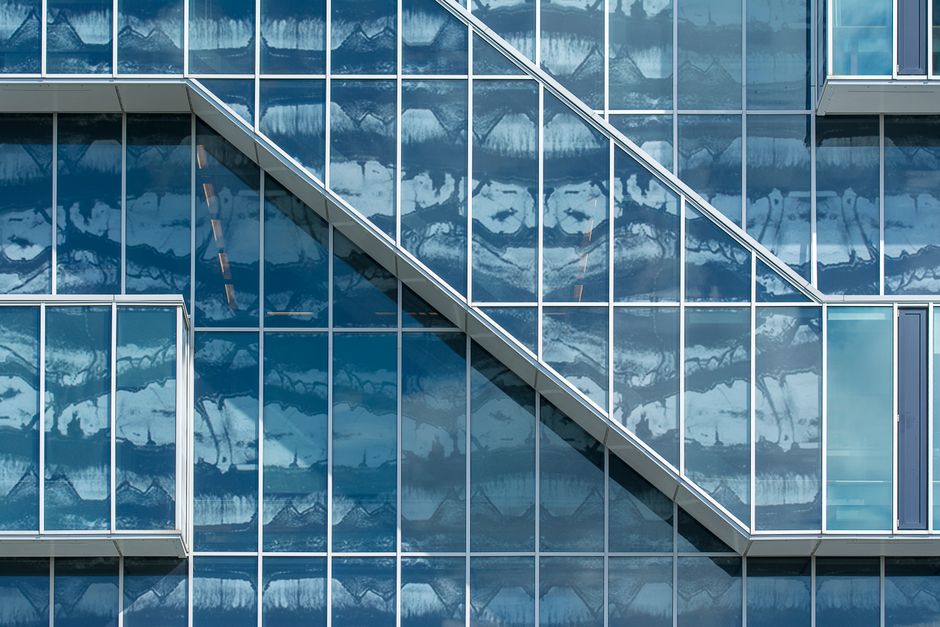
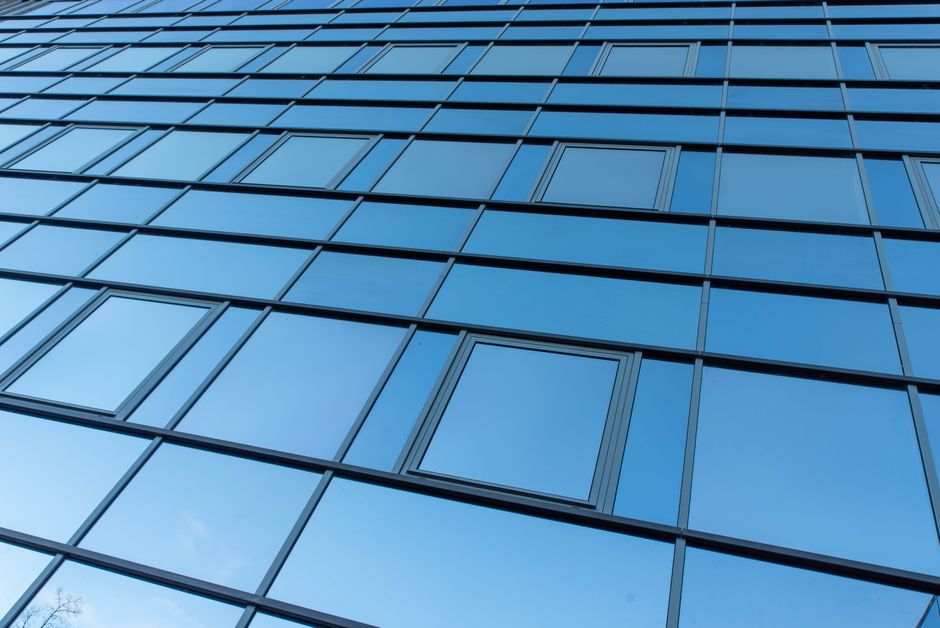
The push for expressive, identity-driven building envelopes has made polychromatic glass facades in architectural design one of the most discussed topics in commercial and institutional project planning. For years, the tradeoff seemed unavoidable: pursue bold color and compromise on solar control, or prioritize thermal performance and settle for a muted, utilitarian aesthetic. Advances in high-performance coatings and laminated interlayer technology have fundamentally changed that equation. Today, design teams can specify vibrant, consistent color across tens of thousands of square feet of glazing while still meeting ASHRAE 90.1 energy targets and long-term durability expectations. Understanding how to navigate that specification process is where the real work begins.
Two primary manufacturing approaches drive the colored architectural glass exterior market: coated glass and interlayer-laminated glass. Each has distinct technical profiles that influence color consistency, solar performance, and life-cycle behavior.
Magnetron sputter coating deposits thin metallic or metal-oxide layers onto glass in a vacuum chamber, producing precise spectral properties. By adjusting the composition and thickness of these layers, manufacturers can dial in a target color—copper, bronze, blue-green, terracotta, graphite—while simultaneously engineering the coating's solar heat gain coefficient (SHGC) and visible light transmittance (VLT). Pyrolytic coatings, applied during the float glass process, are harder and more abrasion-resistant but offer a narrower palette. For large-scale facades demanding both color saturation and thermal control, sputter coatings on low-e substrates remain the dominant choice.
Colored polyvinyl butyral (PVB) and ionoplast interlayers embedded within laminated units offer a different pathway to glass facade color customization. Because the color layer is interior to the glass assembly, it is fully protected from UV degradation, cleaning chemicals, and weathering. This makes interlayer-based color especially well-suited to projects with demanding long-term color-stability requirements. Critically, interlayer color can be combined with low-e sputter coatings on the outer lite, stacking solar performance on top of aesthetic goals without compromise. The limitation is palette breadth—custom interlayer colors typically require minimum order quantities that influence project budgeting.
One of the most persistent misconceptions in facade specification is that stronger color saturation automatically degrades solar performance. In reality, the relationship between color and energy performance is governed by spectral selectivity, not color depth. A deep cobalt blue coating engineered with a high-reflectance metallic layer can achieve an SHGC well below 0.30 while maintaining robust color at oblique viewing angles. The key variables to evaluate during glass selection are:
For projects pursuing LEED v4 credits or compliance with local energy codes, working from certified performance data—not generic product literature—is essential. Greenlite Glass Systems provides access to detailed technical documentation through our project resources and downloads library, including simulation-ready performance data for glazing specifications.
Color consistency is arguably the most underestimated challenge in polychromatic facade projects. Glass is not paint. Unlike a homogeneous applied coating, glass color is the product of a stack of variables—substrate thickness, coating batch, tempering process, insulating unit configuration—each of which can introduce perceptible color shift. On a curtain wall spanning multiple floors and construction phases, even small batch-to-batch deviations become visible at the scale of the building.
Specifying tinted glass building aesthetics at scale demands a proactive approach to color management. Best practices include:
These protocols add lead time and cost, but they are the difference between a facade that performs as rendered and one that reveals unwanted color banding when viewed from across the street.
Facade glass is a 30-to-50-year asset. Architectural glass color performance over that lifespan depends on the durability of the color medium—whether coating, interlayer, or body tint—and the structural integrity of the glazing assembly protecting it.
Sputter coatings on the number-two or number-three surface of an insulating glass unit (IGU) are protected from the exterior environment but remain susceptible to edge seal failure. When moisture enters a failed IGU, oxidation of metallic coating layers can produce color mottling that is not repairable without full unit replacement. Specifying high-durability edge seal systems and providing for routine inspection in the building maintenance plan are essential risk management steps.
Interlayer-based color, by contrast, is chemically inert to weathering once sealed within a laminated assembly. UV stability of modern colored PVB and ionoplast interlayers has been validated to accelerated weathering standards equivalent to 10 or more years of outdoor exposure with minimal color shift. For projects where color fidelity over decades is a design priority—cultural institutions, civic buildings, landmark towers—interlayer color deserves strong consideration even at higher initial cost.
To explore how leading projects have approached these decisions in practice, review Greenlite's glazing work on the National Museum of African American History and Culture, a project where aesthetic specificity, structural performance, and long-term durability were inseparable requirements.
An emerging frontier in polychromatic facade design is the integration of static colored glass with dynamic or smart glazing technologies. Electrochromic glass, which shifts from clear to tinted states in response to electrical signals, is typically available in blue-gray tonal ranges that can complement or contrast with adjacent colored lites. For facades that use colored glass as a primary identity element and dynamic glass for solar control in high-exposure zones, coordination of the two systems' color signatures during design development is critical to avoiding unintended visual discord. Greenlite's electrochromic glass systems can be evaluated alongside static colored glazing options as part of a comprehensive facade strategy.
When initiating a polychromatic glazing specification, design teams should address the following questions early in schematic design:
Answering these questions before design development closes saves significant cost and schedule risk during procurement and construction.
Polychromatic glass facades represent some of the most demanding and rewarding specifications in contemporary architecture. Getting the technology, color management, and performance criteria aligned requires a glazing partner with deep technical expertise and a proven track record on complex projects. Greenlite Glass Systems works with architects and design teams across North America to develop facade glazing solutions that deliver on both aesthetic vision and long-term performance. Contact our team to discuss your project's specific color and performance requirements and find the right glazing solution from concept through construction.