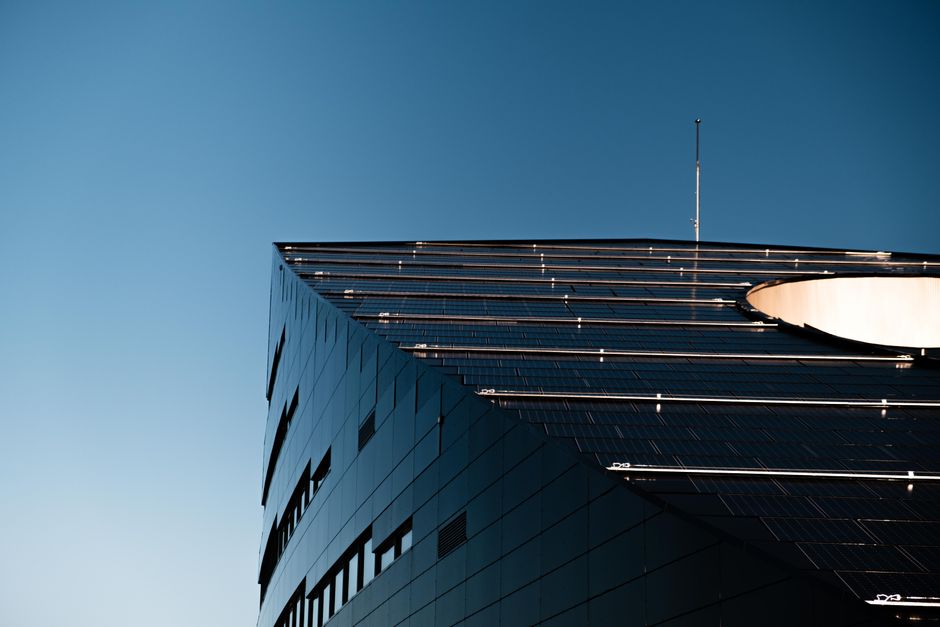
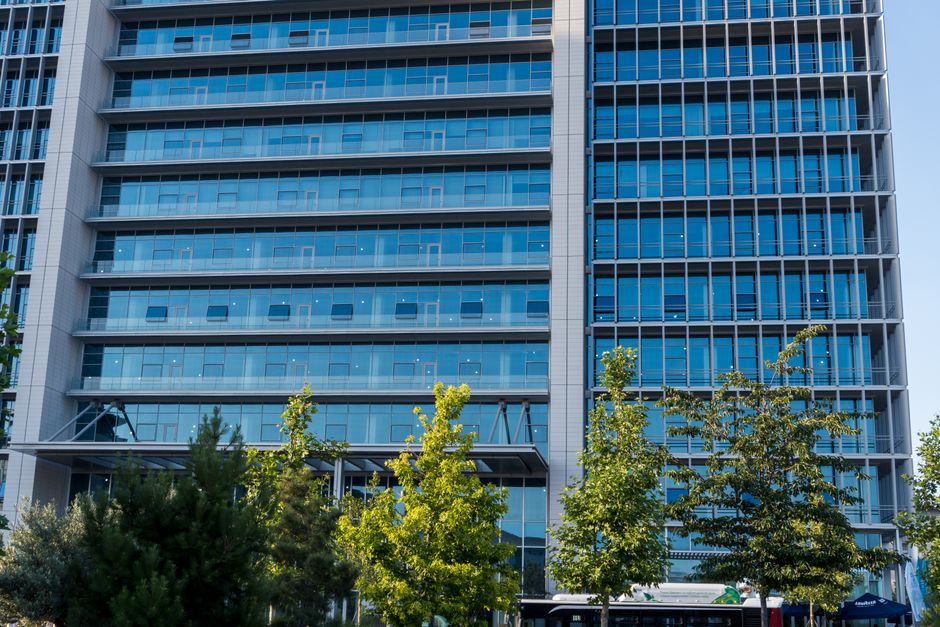
When architects and facility managers evaluate glazing options for a new build or retrofit, aesthetics and structural performance often dominate the early conversation. But glass facade solar heat gain control may be the single most consequential decision you'll make for long-term building performance. Get it right, and you reduce mechanical loads, improve occupant comfort, and move meaningfully toward green building certification targets. Get it wrong, and you're looking at overheated perimeter zones, glare complaints, and HVAC systems working overtime to compensate for a facade that was never properly calibrated to its environment.
At the center of this decision is a deceptively simple number: the Solar Heat Gain Coefficient, or SHGC. Understanding what it measures, how it interacts with your climate and building orientation, and which solar control glazing strategies best serve your project type is essential knowledge for anyone specifying commercial glass today.
SHGC is expressed as a value between 0 and 1. It represents the fraction of incident solar radiation that enters a building through a glazing system — both the solar energy transmitted directly and the portion absorbed by the glass and re-radiated inward. A lower SHGC means less solar heat enters the building; a higher SHGC means more heat is allowed through.
For SHGC ratings in commercial glazing contexts, the National Fenestration Rating Council (NFRC) provides standardized testing and labeling that allows for apples-to-apples comparisons across products. However, SHGC doesn't operate in isolation. It must be evaluated alongside:
A common misconception is that darker or more reflective glass automatically means better solar performance. In reality, advanced solar control glass coatings — particularly low-emissivity (Low-E) sputter coatings applied to inner glass surfaces — can achieve low SHGC values while maintaining high visible light transmittance, delivering bright, comfortable interior environments without the thermal penalty.
North America spans ASHRAE climate zones 1 through 8, from the hot-humid conditions of Miami and Houston to the frigid winters of Winnipeg and Anchorage. The appropriate SHGC target shifts considerably depending on where your building sits on that map.
In these regions, cooling loads dominate the annual energy budget. Solar heat gain through the facade is the enemy of efficiency for most of the year. ASHRAE 90.1 energy standards prescribe maximum SHGC values as low as 0.25 for certain orientations in these zones, and for good reason. High-performance glass facades in these markets typically deploy glazing with SHGC values in the 0.20–0.30 range, paired with high LSG ratios to preserve daylighting quality. Solar control glass coatings with silver-based sputter technology are the workhorses here, offering exceptional solar rejection without the cave-like interiors that older tinted glass products produced.
These climates present the most nuanced design challenge. Buildings in zones 4 and 5 carry both meaningful cooling loads in summer and significant heating loads in winter, meaning a facade that is too aggressive in rejecting solar heat can actually increase heating energy costs during colder months. In these zones, a balanced SHGC in the range of 0.30–0.40 is often appropriate, with orientation playing a critical role. South-facing facades may benefit from slightly higher SHGC to capture passive solar gains in winter, while east- and west-facing exposures — which receive low-angle morning and afternoon sun — may warrant more aggressive solar control to manage glare and peak load spikes.
For architects working on curtain wall systems in these zones, our detailed look at architectural glass curtain wall design considerations offers additional technical guidance on balancing thermal, structural, and daylighting performance across complex facade configurations.
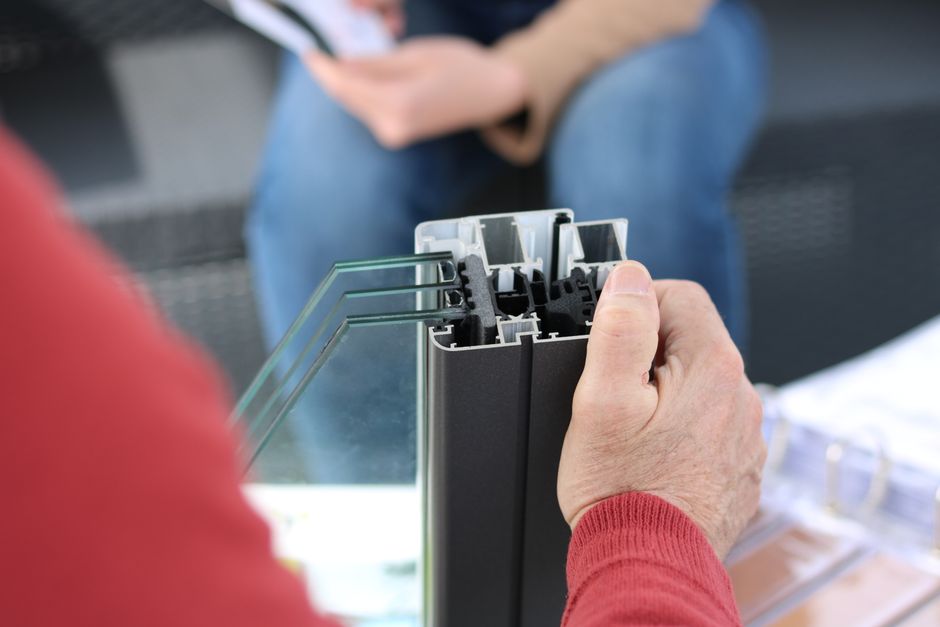
In Edmonton, Minneapolis, or Montreal, the calculus shifts significantly. Here, solar heat gain is often a desirable free energy source during the long heating season. Glazing specifications in these zones may target SHGC values of 0.40–0.60, particularly on south-facing elevations, while U-factor performance takes priority overall. Triple-glazed units with warm-edge spacers and thermally broken frames become standard, and the role of solar control coatings becomes more selective — applied strategically on east and west elevations while south glass is allowed to harvest winter sun.
Climate zone alone doesn't determine the right glazing strategy. Facade orientation is equally decisive, and the two variables must be analyzed together.
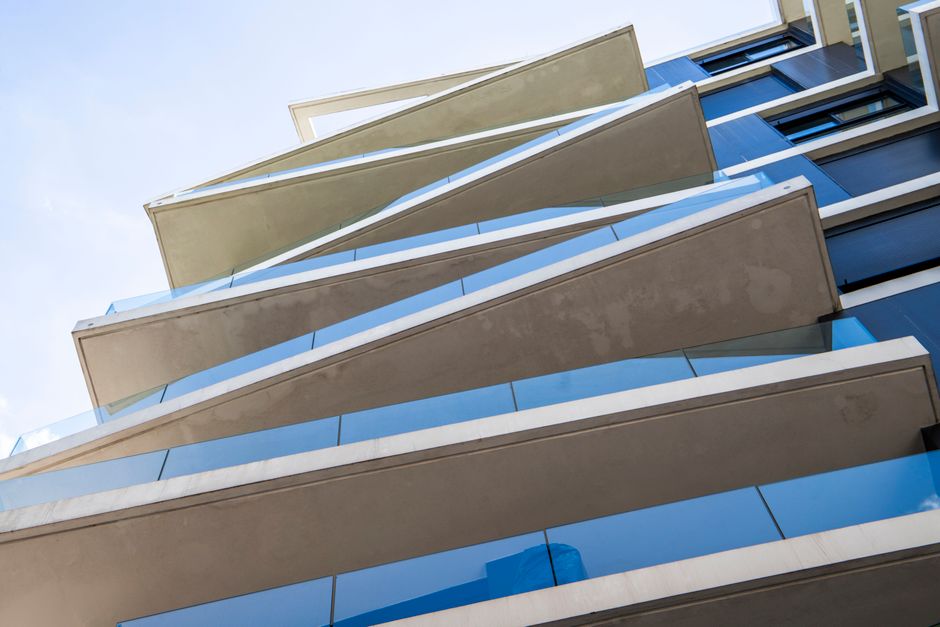
South-facing facades receive relatively predictable, high-angle solar exposure that is easier to manage with overhangs and shading devices. East and west facades, by contrast, receive low-angle morning and afternoon sun that is notoriously difficult to block with external shading alone — making high-performance solar control glass coatings particularly valuable on these orientations regardless of climate zone.
North-facing facades in the northern hemisphere receive minimal direct solar exposure, making solar heat gain less of a driver on that elevation. Here, U-factor and condensation resistance take precedence.
Occupancy type adds another layer of complexity:
For buildings where solar exposure varies dramatically by season, time of day, or occupancy pattern, static glazing — even the best-performing solar control glass — has inherent limitations. A fixed SHGC that works well on a July afternoon in Phoenix may over-restrict daylight and passive heat on a January morning. This is precisely where dynamic glazing technologies enter the equation.
Electrochromic smart glass systems allow the SHGC and VLT of a glazing unit to transition across multiple tint states in response to sensors, building automation systems, or occupant controls. In practice, this means a facade can be optimized in real time — clear on overcast winter mornings to maximize daylight and passive solar gain, and fully tinted during peak summer solar hours to reject unwanted heat and glare. The energy performance implications are significant, and the occupant experience benefits are measurable. Our comprehensive resource on dynamic smart glass for commercial buildings covers the full range of electrochromic and other switchable technologies available to today's design teams.
Solar heat gain control doesn't exist in a vacuum. The most effective high-performance glass facades treat SHGC as one variable within a fully integrated envelope strategy that also accounts for:
For a broader perspective on how glazing selection feeds into overall building envelope strategy, the building envelope glass selection guide offers architects and facility managers a structured framework for evaluating options across multiple performance dimensions.
Specifying solar control glazing for a commercial facade is a decision with consequences that play out over the entire lifespan of a building — in energy bills, occupant comfort surveys, and LEED or ASHRAE compliance documentation. The variables are real: climate zone, facade orientation, occupancy type, budget constraints, and aesthetic intent all pull in different directions, and there is rarely a single universal answer.
What separates well-performing buildings from underperforming ones is almost always the quality of the technical analysis done early in the design process — before glazing products are locked in and before the facade contractor is on site. That analysis should include energy modeling with SHGC and U-factor inputs, glare studies for key occupant viewpoints, and a frank conversation about how dynamic glazing technologies might close the performance gap that static products leave behind.
If your project team is working through these decisions now, Greenlite Glass Systems brings deep expertise in solar control glazing strategy for commercial and institutional projects across North America. From initial product specification through installation coordination, our team works with architects and facility managers to match the right glazing solution to the real demands of each building's climate, orientation, and use. Contact Greenlite Glass Systems today to discuss your project's solar control requirements and get expert guidance on the SHGC ratings and glazing strategies that will deliver lasting performance.