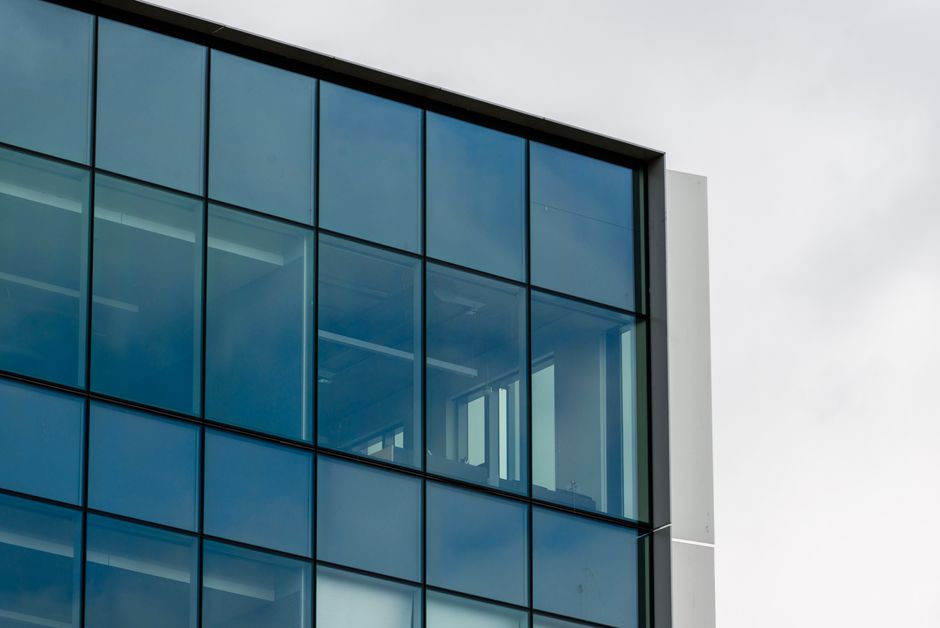
When architects and building owners demand glass that disappears into its surroundings rather than compete with them, low iron glass architectural applications consistently deliver the answer. Unlike standard float glass, which carries a measurable green tint caused by iron oxide content in the silica sand used during manufacturing, low iron glass is produced with dramatically reduced iron levels—typically less than 0.015% iron oxide compared to the 0.10% or higher found in conventional float glass. The result is a product that transmits light more purely, renders colors more faithfully, and creates the kind of crystal clear glass facades that have become a hallmark of contemporary high-performance architecture.
This is not merely an aesthetic preference. For building types where visual continuity, occupant experience, and brand expression are core design drivers—luxury retail, corporate headquarters, cultural institutions, hospitality, and high-end residential—the choice between low iron and standard glass carries measurable consequences. Understanding those consequences is essential for any glazing specification decision.
The green cast visible in standard float glass becomes most apparent when viewing the material at an angle or looking through stacked layers at an edge. This tint originates from ferrous iron (Fe²⁺) ions that absorb red wavelengths of light, shifting the transmitted spectrum toward green. In single-pane applications, the effect may seem subtle. In insulated glass units, laminated assemblies, or any configuration where light passes through multiple layers, the cumulative tint becomes significantly more pronounced.
Low iron glass eliminates most of this iron content at the raw material stage, before the glass is even melted. Manufacturers source high-purity silica with naturally lower iron concentrations, and in some production methods, additional refining steps further reduce ferrous content. The quantifiable outcome is a light transmission value that typically reaches 91% or higher for low iron glass, compared to roughly 83–87% for standard clear float glass of equivalent thickness. That 4–8% difference in visible light transmittance translates directly into brighter interiors, more vivid color rendering, and a glass edge that reads as genuinely neutral—often described as a slight blue-white tone rather than green.
For architects evaluating low iron vs standard glass, the edge color comparison is the clearest diagnostic. Hold a piece of each side by side at the edge, and the contrast is immediately apparent. This edge color matters enormously in frameless glass assemblies, butt-glazed storefronts, glass fins, point-fixed facades, and interior partitions where exposed edges are a deliberate design detail rather than something concealed by a frame.
Luxury retail is arguably where ultra clear glass buildings and storefront systems earn the most immediate return on specification. Brands in fashion, jewelry, automotive, and lifestyle retail invest heavily in visual merchandising—and then risk undermining that investment with glass that casts a green filter over precisely controlled display lighting and product color. Low iron glass ensures that the colors a customer sees through the storefront window match exactly what they encounter inside. For retailers, this is not an abstraction; it directly affects purchase decisions and brand perception.
The demand for crystal clear glass facades on corporate campuses, university buildings, and cultural institutions has accelerated in parallel with the broader trend toward transparency as an architectural value—both literally and symbolically. Organizations want buildings that communicate openness, connection to the landscape, and engagement with the public realm. Standard glass achieves transparency in a functional sense but compromises it aesthetically with its inherent tint. Low iron glass fulfills the design intent without compromise.
For projects where curtain wall design is a primary architectural statement, specifying low iron glass across a large facade surface creates a visual consistency that standard glass cannot replicate. The building reads as genuinely transparent, not merely glazed.
Interior applications are an area where the benefits of high clarity architectural glass are sometimes underestimated. In open-plan offices, conference rooms, hotel lobbies, and healthcare facilities, glass partitions are used to maintain visual connection while providing acoustic separation. When those partitions are fabricated from standard glass, occupants perceive a subtle but real color shift when looking through multiple panels in series. In a long corridor flanked by glass offices, for example, the cumulative green tint can make the space feel institutional and dim. Low iron glass maintains the intended sense of openness and light regardless of how many panels the sightline passes through.
This property also makes low iron glass the preferred choice for switchable privacy glass systems, where the base glass clarity directly affects the optical performance of the active interlayer in both transparent and opaque states.
Specifying low iron glass requires familiarity with a handful of key performance indicators beyond visible light transmittance:
A natural history museum expanding its permanent collection galleries specifies floor-to-ceiling glazed walls to bring natural light into exhibition spaces. The curatorial team has invested in precise lighting calibration to ensure artifact colors are rendered accurately. Installing standard float glass introduces a spectrally shifted light source that undermines that calibration effort. Low iron glass preserves the spectral integrity of daylight entering the space, ensuring that the visual experience the curators intended is the one visitors actually receive.
A high-rise residential developer is marketing units based on panoramic views and interior luminosity. Standard glass on the window wall units creates a subtle but persistent green overlay on the cityscape views—most noticeable at dusk and in overcast conditions when the glass reflectance is higher relative to ambient light. Upgrading to low iron glass across the tower envelope eliminates this overlay, delivering the unmediated view experience that justifies the project's premium positioning. To explore how glazing decisions like these play out across completed high-performance projects, Greenlite's project portfolio offers instructive real-world examples.
A luxury automotive brand is designing a two-story showroom with a fully glazed street facade and interior glass mezzanine floor. The vehicles on display are offered in a range of precise colors that are central to the brand's identity. Standard glass on the facade and interior partitions would alter how those colors read from the street and within the space. Low iron glass ensures color fidelity at every sightline, from the passing pedestrian to the customer examining a vehicle on the upper level.
From a specification standpoint, low iron glass is typically identified by trade names such as Starphire, Optiwhite, or Diamant, depending on the manufacturer. When writing specifications, architects should call out the maximum allowable iron oxide content (typically ≤0.015% Fe₂O₃) and minimum visible light transmittance requirements rather than relying solely on trade names, which can vary by region and availability. Thickness, tempering requirements, coating specifications, and edge treatment requirements should all be addressed in the same specification section to ensure the fabricator delivers a complete assembly that meets design intent.
Cost premium for low iron glass typically ranges from 15–30% above standard float glass of equivalent specification, depending on thickness, coating, and unit complexity. In most high-end applications, this premium is easily justified by the aesthetic and performance outcomes it enables—and by the cost of alternative finishing strategies that would be required to compensate for the visual limitations of standard glass.
Greenlite Glass Systems has deep experience helping architects, developers, and building owners navigate glass specification decisions with clarity and confidence. Whether you are evaluating low iron glass for a curtain wall facade, a frameless interior partition system, or a complex laminated assembly, our technical team can provide product guidance, performance data, and project-specific recommendations. To discuss your upcoming project or request technical support, contact the Greenlite Glass Systems team today and put that expertise to work for your design.